

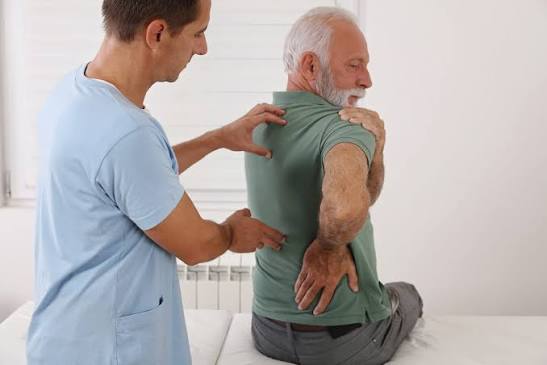
Chronic back pain, joint stiffness, and musculoskeletal injuries affect millions of individuals daily. Historically, invasive surgical interventions were often viewed as the primary option for achieving long-term relief from severe pain.
However, significant advancements in medical technology and physical therapy have transformed the treatment landscape. Today, non-surgical treatments provide robust, highly effective alternatives that promote healing, manage symptoms, and restore mobility without the risks, high costs, or lengthy recovery periods associated with surgery.
Understanding these non-invasive options allows patients to make informed choices about their healthcare journey while maintaining an active and fulfilling lifestyle.
The Advantages of Non-Surgical Pain Treatments
Choosing non-surgical therapies over traditional open surgery offers numerous key benefits for patient health and well-being:
● Minimal Recovery Time: Most non-invasive procedures require little to no downtime, allowing individuals to return to work and daily activities quickly.
● Reduced Risk Profile: Without surgical incisions or general anaesthesia, the chances of infection, heavy bleeding, nerve damage, or adverse reactions are dramatically minimized.
● Cost Efficiency: Non-surgical pathways generally involve lower overall healthcare costs, avoiding expensive hospital stays and intensive post-operative care.
● Targeted Symptom Management: Modern therapies focus directly on the root cause of pain—such as inflammation, muscle tightness, or disc pressure—to foster long-term structural healing.
Core Types of Non-Surgical Interventions
A comprehensive approach to pain management often combines several non-surgical methods tailored to individual patient needs.
1. Manual and Physical Therapies
Physical therapy forms the foundation of musculoskeletal rehabilitation. Skilled therapists use targeted exercises, active stretches, and joint mobilisation techniques to improve joint alignment, rebuild core strength, and restore flexibility. Regular sessions help correct posture and reduce strain on surrounding muscles.
2. Advanced Decompression Therapies
For severe conditions affecting the vertebral column, such as herniated disc, bulging disc, sciatica, or facet joint syndrome, advanced mechanical therapies offer targeted relief.
One of the most successful methods available today is Non-Surgical Spinal Decompression Therapy, a specialised treatment that uses computer-controlled traction to gently stretch the spine.
This gentle stretching creates negative intra-discal pressure, which helps achieve two main goals:
● It encourages protruding or herniated disc material to retract back into its natural position.
● It draws essential nutrients, oxygen, and fluid into the disc space to accelerate localized cellular repair.
Regenerative techniques harness the body’s natural ability to heal damaged tissue:
● Platelet-Rich Plasma (PRP) Therapy: A patient’s own blood is processed to isolate concentrated growth factors, which are injected into injured tendons, ligaments, or cartilage to speed up tissue regeneration.
● Prolotherapy: A mild irritant solution is injected into weak connective tissue to stimulate localized inflammatory responses that reinforce structural stability.
For immediate and localized pain relief, therapeutic injections provide targeted intervention:
● Corticosteroid Injections: Reduce severe local inflammation surrounding joints or nerves.
● Epidural Injections: Target the epidural space around spinal nerves to suppress nerve irritation and sharp sciatic pain.
● Hyaluronic Acid Injections: Lubricate osteoarthritic knee joints to improve mobility and reduce friction.
Integrating Therapies into a Complete Care Plan
Non-surgical care works best when structured into a multi-phase treatment programme tailored to the specific diagnosis.
Visualizing Non-Surgical Back Care
To gain a clearer understanding of how non-surgical options address common spinal issues, watch this informative educational overview:
● Watch this helpful explanation on Non-Surgical Lower Back Pain Treatment Options on YouTube to learn more about how physical therapies and conservative care work together.
Lifestyle Factors Supporting Non-Invasive Recovery
While clinical procedures play a vital role, everyday habits significantly impact how well the body responds to non-surgical treatments:
● Maintain Optimal Nutrition: A diet rich in anti-inflammatory foods—such as leaf greens, nuts, fatty fish, and plenty of water—supports cellular repair and reduces swelling.
● Optimise Workplace Ergonomics: Ensure your desk setup promotes proper spinal alignment with an ergonomic chair, lumbar support, and monitors set at eye level.
● Engage in Low-Impact Movement: Activities like swimming, walking, and stationary cycling keep joints lubricated without putting undue force on the spine.
● Prioritise Sleep Hygiene: Deep sleep is crucial for tissue restoration and hormone balance, both of which are essential for pain recovery.
When to Seek Professional Guidance
While non-surgical treatments are appropriate for a broad range of conditions, a thorough diagnostic assessment by a qualified health professional is always necessary.
Diagnostic tools like MRI scans, digital X-rays, and comprehensive physical evaluations ensure that non-invasive care is safe and tailored to your needs.
By exploring options like manual therapy, targeted injections, and advanced spinal decompression, you can effectively resolve chronic pain, restore strength, and regain mobility without undergoing surgery.