

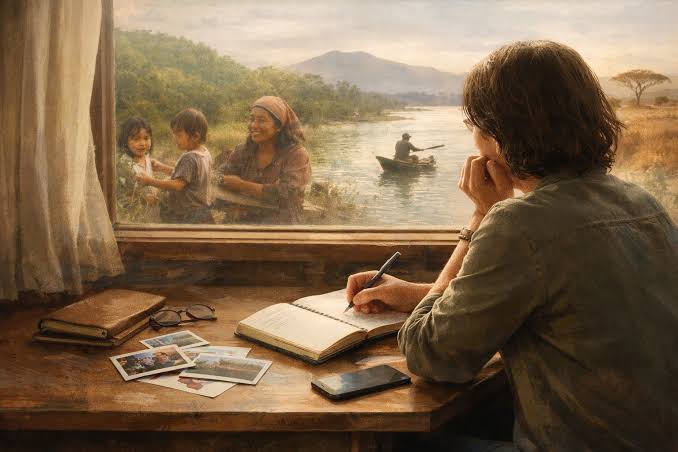
A memorable trip can make a great story, but readers usually need more than a list of places you visited. They want practical details, honest observations and advice they can use to plan their own journeys. Whether you write a travel blog, manage a hotel website or create content for a travel business, a clear approach can help turn first-hand experience into articles people find useful—and give those articles a wider audience.
Start with the reader’s question
Before drafting, decide who the article is for and what they are trying to work out. “A weekend in Lisbon” is a broad topic; “How to plan a three-day Lisbon break without hiring a car” gives the reader a more defined problem to solve. A focused angle makes it easier to choose relevant details and avoid writing a diary that is interesting only to people who already know you.
Choose a useful, specific angle
Think about the decisions travellers face before and during a trip. They may be comparing neighbourhoods, working out how to get from the airport, choosing a season, travelling with children or trying to keep costs under control. An article that answers one or two related questions is often more helpful than one that tries to cover an entire destination at once.
Specificity also helps you distinguish your perspective from generic destination summaries. You might explain what a particular route is like with a pushchair, how much time to leave between train connections, or which parts of an itinerary felt rushed. Be clear about when you travelled, since prices, opening times and transport arrangements can change.
Build the article around practical information
Readers appreciate atmosphere, but they also need usable facts. Include details such as journey times, booking requirements, typical costs and accessibility considerations when you can confirm them. If a detail is based on your own experience rather than a current official source, say so. This helps readers understand what is dependable and what may vary.
Use a structure that is easy to scan
A simple structure can keep an article organised without making it feel formulaic. Begin with the main takeaway, then move through the information in the order a reader is likely to need it. For an itinerary, that might mean transport, accommodation area, daily plans and budget notes. For a packing guide, organise advice by weather, activities and essentials.
Use descriptive subheadings, short paragraphs and lists where they make information easier to compare. A list of transport options, for example, may be clearer than several paragraphs covering the same points. Keep each section focused, and remove details that do not help answer the article’s central question.
Make recommendations responsibly
Explain why you recommend a place or service rather than simply calling it the best. Mention relevant trade-offs: a hotel may be close to the centre but noisy at night, while a scenic route may take longer than the direct option. Readers can then decide whether the choice suits their needs.
Check names, opening hours, rules and prices before publication, and revisit articles that are likely to stay relevant over time. If you cannot verify a detail, avoid presenting it as certain. A small note that conditions can change is more useful than an outdated promise.
Give the story a wider reach
Publishing on your own site is only one way to find readers. A well-matched guest article can introduce your experience to an established audience, as long as the publication’s subject and readership fit the piece. A practical guide to family rail travel, for example, is more likely to suit a family travel site than a blog focused on luxury resorts.
Research potential publications before pitching. Read recent articles, check their submission guidance and look for the topics they actually cover. A directory such as travel guest posting sites can help writers and travel businesses discover outlets that accept relevant contributions. Treat any listing as a starting point: review each site’s current content and requirements before spending time on a proposal.
Pitch an idea, not a generic introduction
A useful pitch briefly explains the proposed subject, the intended reader and what the article will offer that is not already covered. Suggest a clear headline or angle, and show that you understand the publication. Avoid sending the same broad proposal to every editor. A tailored idea is easier to assess and gives the editor a reason to respond.
After publication, share the article with people who would genuinely find it useful. Keep a record of where you have pitched, what has been accepted and which subjects attract engagement. This can reveal which topics are worth developing further.
Get support without losing your perspective
Travel content can involve more than writing. Editing, photography, graphic design, video and marketing may all be part of a project. If you need help with a particular task, define the scope first: specify the deliverable, deadline, preferred style and any materials the freelancer will need. Clear expectations reduce avoidable revisions.
Platforms such as Osdire bring buyers and freelancers together across categories including writing, design, photography and video. Its flat pricing and payment process, in which funds are held while an order is underway and released after approval, are details buyers can consider when comparing options. As with any freelance arrangement, review relevant examples, agree on what completion means and leave time for feedback.
Outsourcing a task does not mean handing over your point of view. Share first-hand notes, accurate trip details and the audience you want to reach. A writer or editor can help shape the material, but your specific experience is what makes the advice credible.
Conclusion
Strong travel content starts with a real reader need and answers it with clear, checked information. A focused angle, honest recommendations and an easy-to-follow structure make an article more useful, while thoughtful guest contributions can introduce it to new audiences. Whether you create every element yourself or bring in help, keep the traveller’s questions at the centre. That is what turns a collection of trip memories into guidance people can act on.